

Radon gas which is odorless and also colorless exists naturally. It is likewise believed to trigger lung cancer cells by the EPA.
Due to human inability to see or smell it, there are still some people who do not think that it exists. There is a lot of scientific research as well as research behind this. If somebody says it does not exist, that person is immediately discrediting himself from this topic.
Radon originates from the disintegration of uranium that is found in the soil and the gas upsurge through the ground and gets in houses from the typically lowest levels through splits in the concrete, spaces around waste pipes, sump pumps pits, etc. The topic of radon testing typically turns up as one of the components of a house inspection when it is the above mentioned house for sale, goes in the Attorney Review.

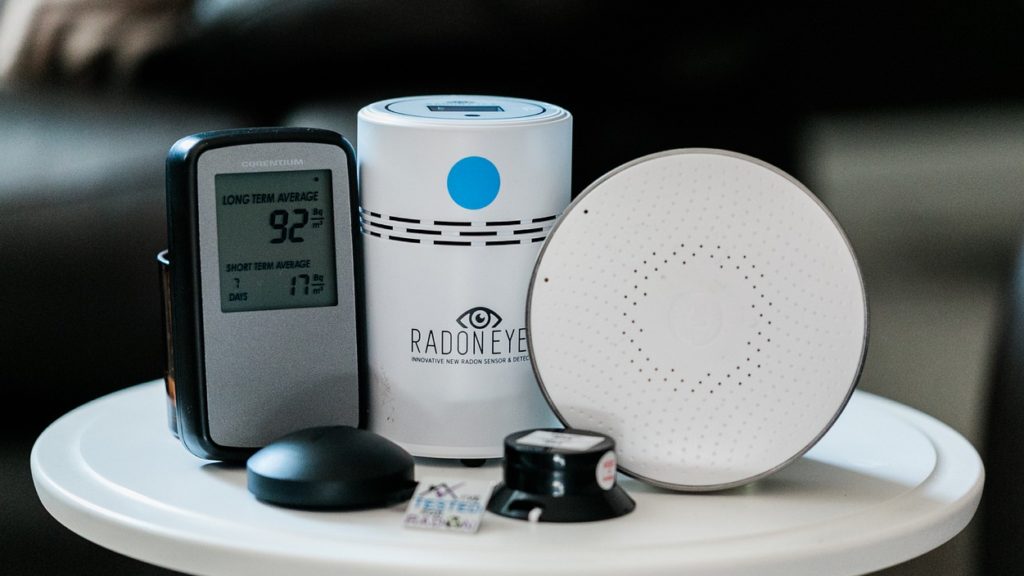
In the States that accredit people that test for radon gas there are defined places that are approved as correct locations to test for radon gas. Typically the lowest part of the dwelling considered to be basement. The radon testing can has to remain there for 48 hours an situated at least 20 inches off the floor, at least 2 feet from an exterior wall. Home owner should refrain from opening any windows if the basement has any and/or moving the can from the place it has been put on by an Inspector.
Radon Gas and Misconception # 1
This would be the most common one. A lot of people wrongfully think that if the house does not have a basement, no test needed. Let me be really clear on this one. First of all, greater than normal radon levels are found in homes built on a slab. And second, radon test is usually included in the the price of your home inspection, you are not paying any extra money for it, but you are certainly will feel better knowing that levels of radon are normal in your house.
Radon Gas and Misconception # 2
This happens to be an interesting one as well, due to the fact that some people think, if the house has been build over the crawl space, they do not need to check the levels of radon gas. Even if the crawl space has an “equally aerated” to the outside of the house, there is absolutely no guarantee that radon gas is not seeping in the structure.
Radon Gas and Misconception # 3
Third and last one. A lot of older houses have “walk out” basements. People living in those houses think, that due to the fact “walk out” basement has a door leading outside, radon gas would not be seeping in, but rather flushed out mixed with fresh air. Unfortunately, it not true at all.
“Walk out” basements frequently can and do check for higher than advised EPA levels for radon gas.
I have had Sellers, Buyers and Investors tell me that they were informed by good friends what to do to their residence to decrease any possible radon gas levels. These methods entailed opening home windows commonly and also airing the place out. This may or might not be helpful at all. Radon goes into the residence mainly because of a “chimney effect” where temperature level as well as atmospheric pressure make it easy for radon gas to seep in to the lowest levels of the house and then circulate upwards same way as heat moves up within a chimney. Opening up a window can enhance the air flow as well as suck more radon gas into the residence.
The main reason why home inspectors ask the Sellers not to move the testing can or air out the room where it’s put in is because those actions will disrupt the test and it has to be redone, this time at the Seller’s expense.
In conclusion, I would like to say, that regardless of the of how your home has been designed (split level, side split, ranch, etc)make sure you do radon gas test and you will sleep better!